
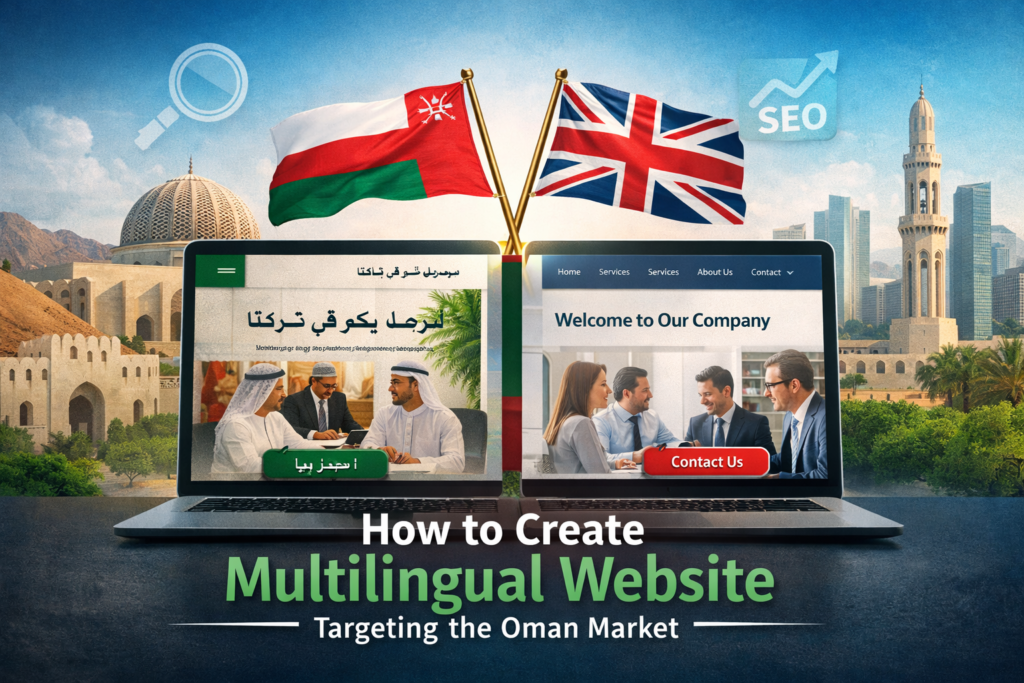
Oman is not an English-only digital market and businesses that act like it is are leaving money on the table. If your website or corporate website doesn’t speak Arabic fluently and respect local user behavior, it quietly fails. This guide breaks down, step by step, how to create a multilingual business website that actually works in Salalah and across Oman from UX and content to SEO and compliance.
Introduction: Establish Context & Market Relevance

Recommended visual:
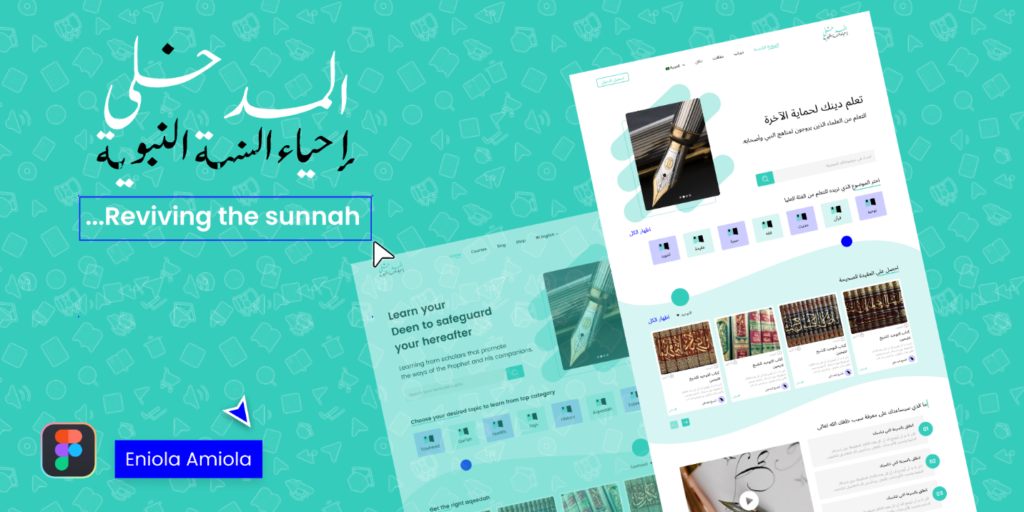
- Hero image showing a professional Omani business context with Arabic and English interface elements.
Why this works:
- Instantly anchors the reader in place + purpose.
- Reinforces that this is a market-specific, corporate-grade guide, not a generic web article.
- Sets visual authority within the first 3 seconds (critical for bounce-rate control).
Understanding the Oman Digital Landscape
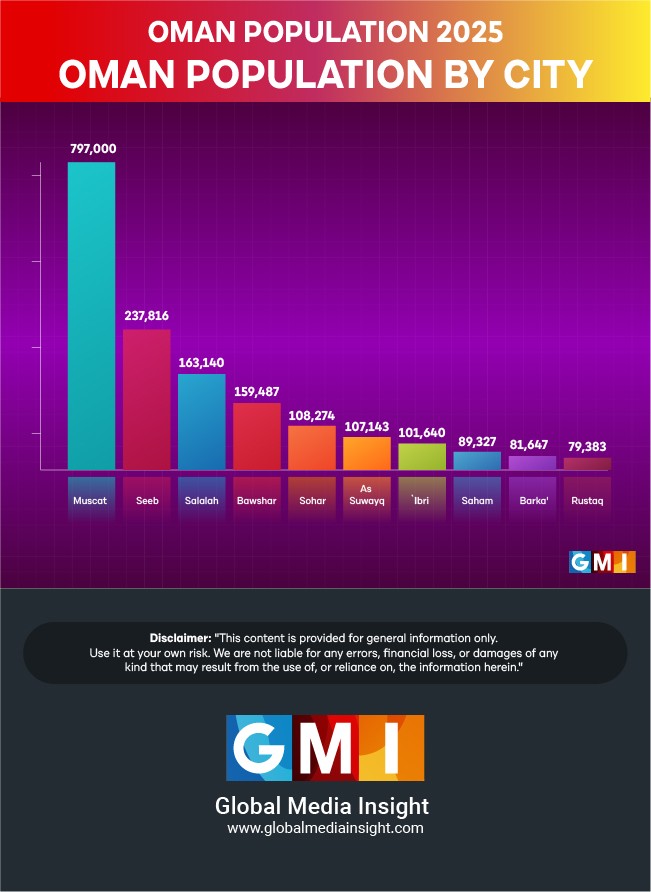
Recommended visual:
- Infographic or data visualization (population language split, Arabic vs English search behavior).
Why this works:
- Converts abstract statements into credible, scannable insight.
- Appeals directly to decision-makers who expect data-backed reasoning.
- Ideal anchor for social sharing and backlink acquisition.
Why Multilingual Websites Matter for Businesses in Oman
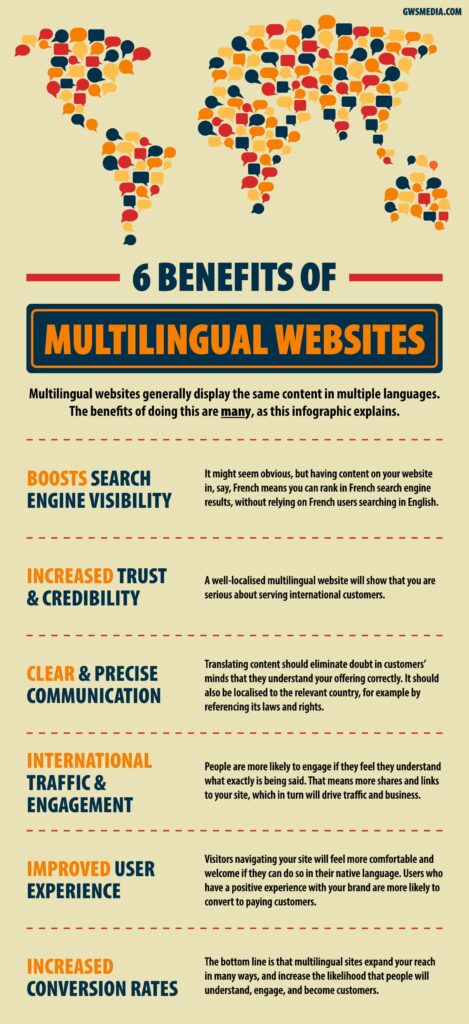
Recommended visual:
- Benefits infographic or before/after comparison chart.
Why this works:
- Translates value propositions into visual ROI logic.
- Helps non-technical stakeholders quickly justify budget allocation.
- Increases time-on-page for skimmers.
Choosing the Right Language Strategy
Section: Arabic-First, English-Strong Approach
Recommended visual:
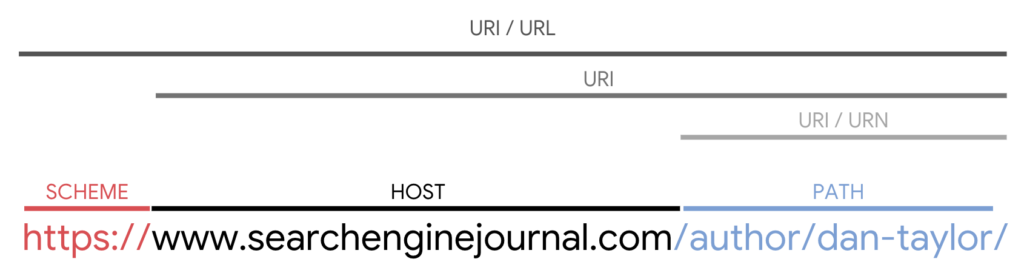
- Website structure diagram showing /ar/ and /en/ hierarchy.
Why this works:
- Simplifies a technical concept into an executive-friendly visual.
- Reduces cognitive load for non-SEO readers.
- Reinforces best practice without excessive text.
Designing for Arabic and English Users (RTL vs LTR)
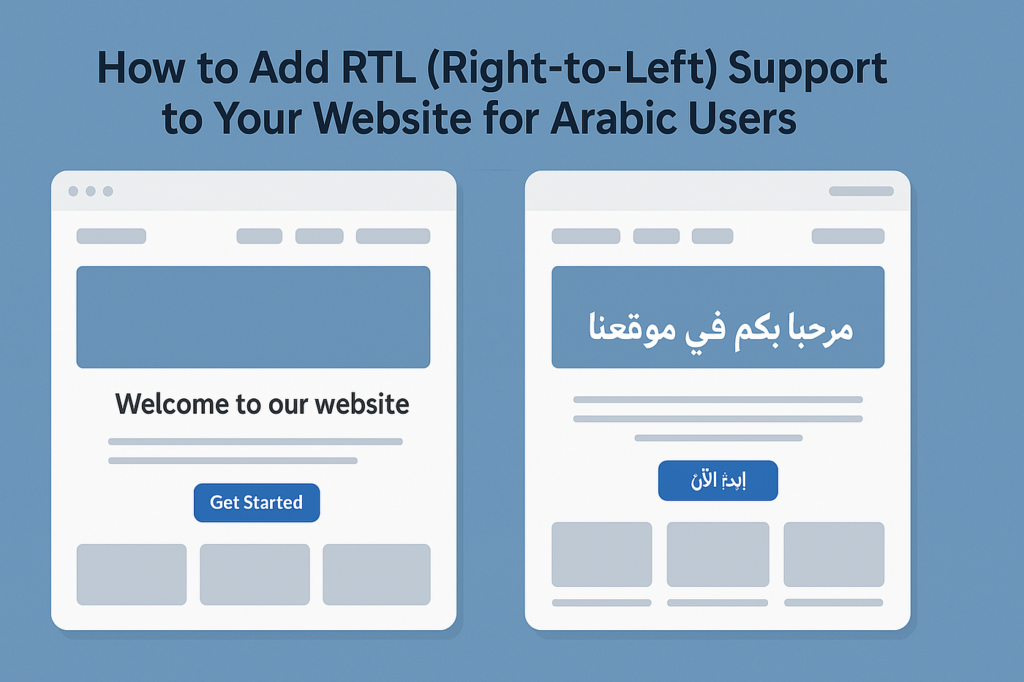
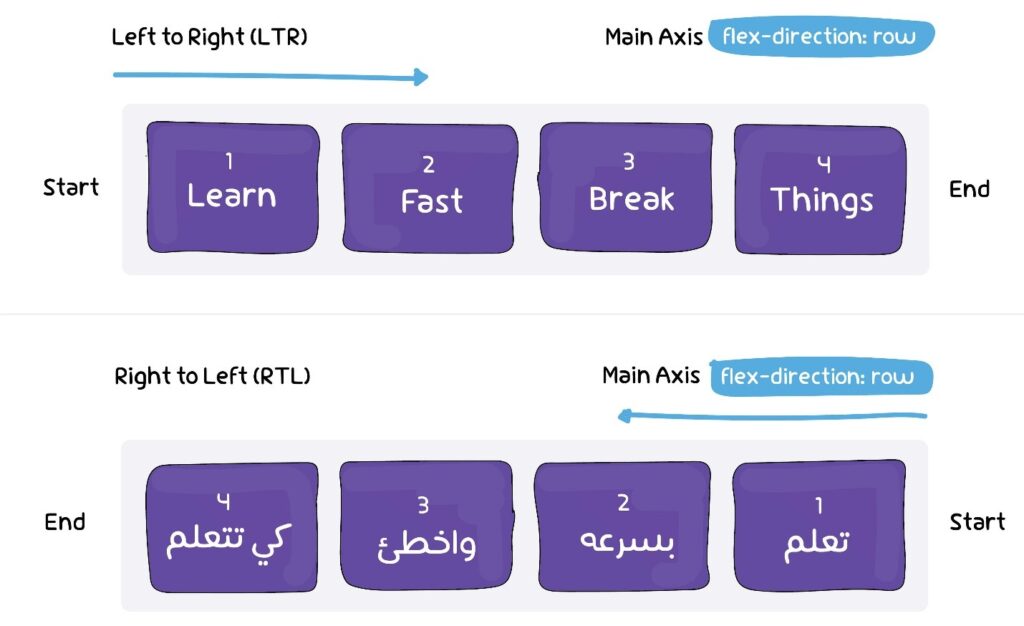
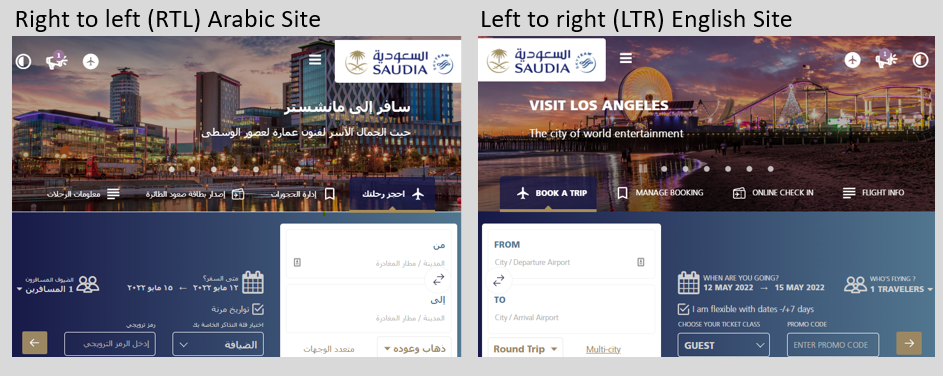
Recommended visual:
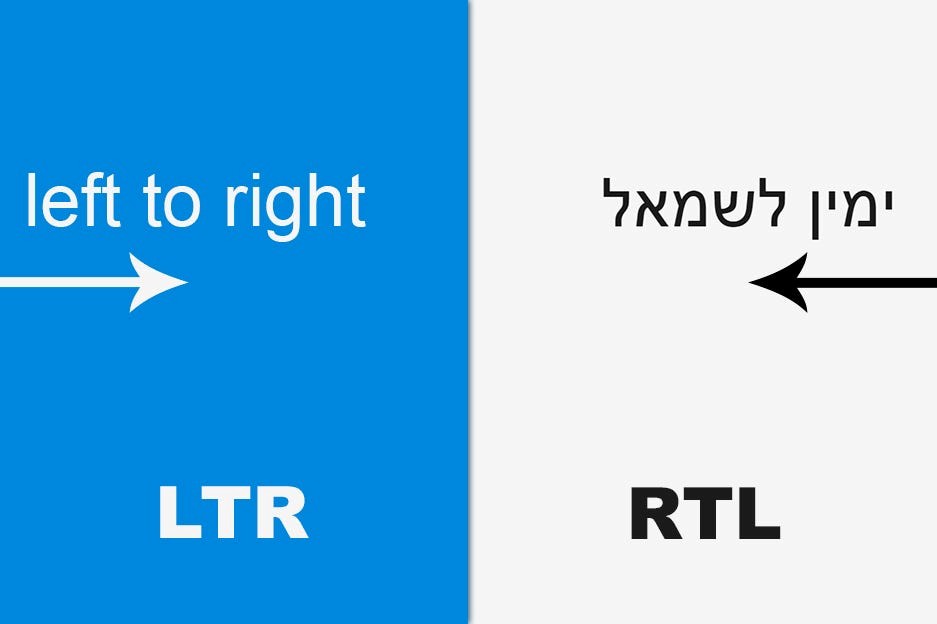
- Side-by-side comparison: RTL Arabic layout vs LTR English layout.
Why this works:
- Makes the RTL/LTR challenge immediately obvious.
- Visually proves why “one design fits all” is a flawed approach.
- Highly shareable among designers and developers.
Content Localization for the Oman Market
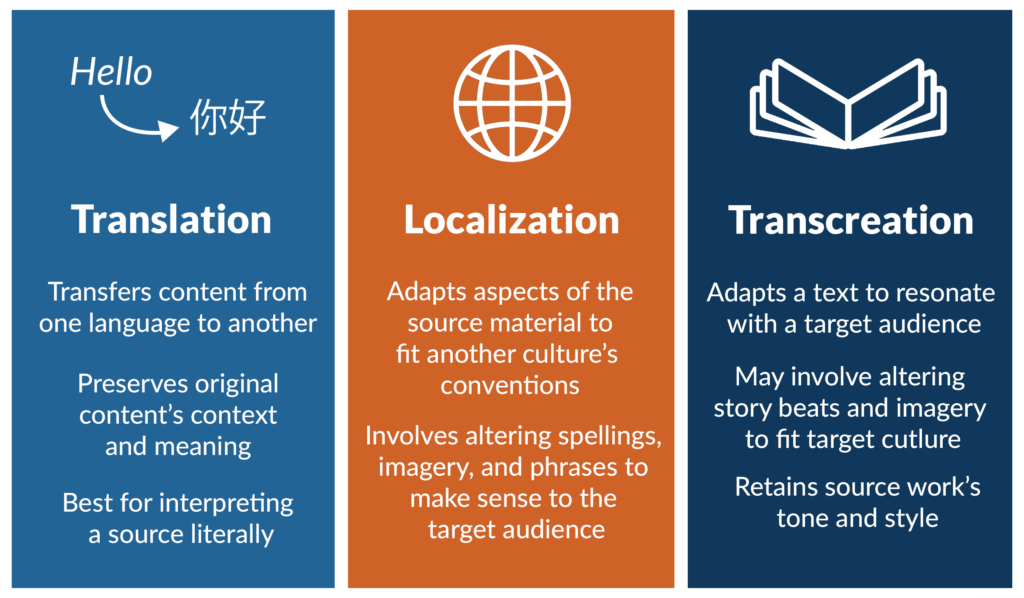
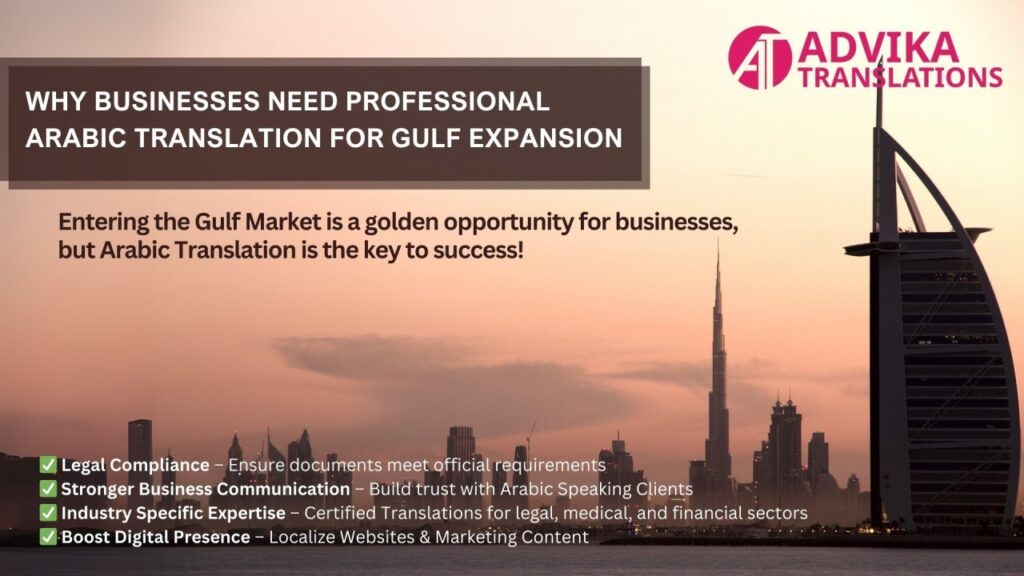
Recommended visual:
- Localization vs Translation infographic.
Why this works:
- Clarifies a commonly misunderstood concept.
- Strengthens your authority as a market-aware expert, not a translator.
- Supports lead qualification (educated readers convert better).
Multilingual SEO Strategy for Oman
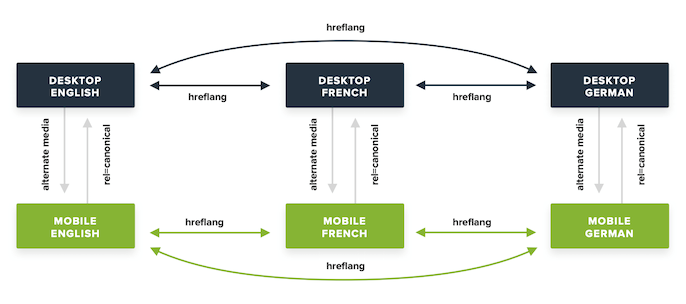
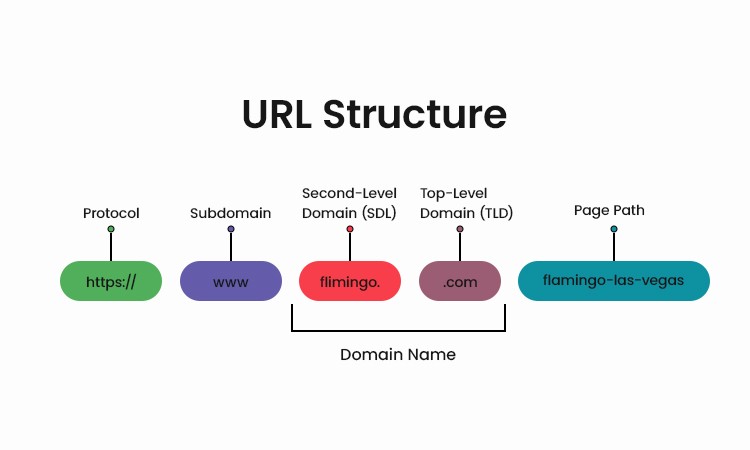
Recommended visual:
- Technical SEO diagram (hreflang + language targeting flow).
Why this works:
- Breaks down intimidating SEO concepts into visual logic.
- Builds trust with technical and semi-technical audiences.
- Reduces exit rate at the most complex section of the article.
Content Types That Perform Well in Oman
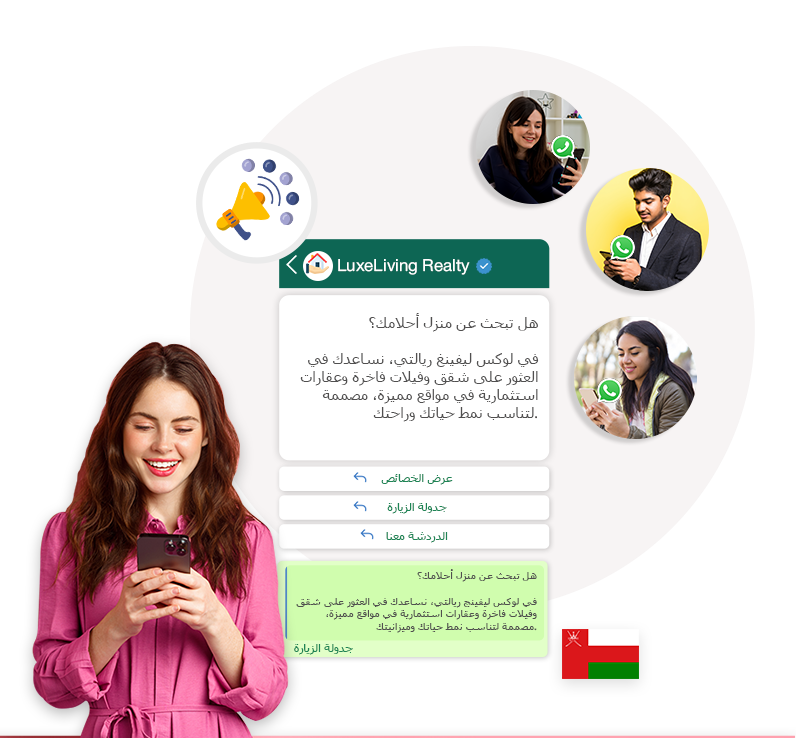
Recommended visual:
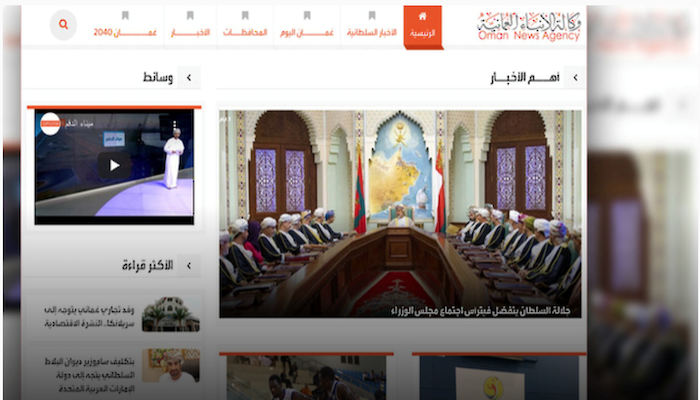
- Annotated screenshots of high-performing page types.
Why this works:
- Moves readers from theory to practical mental modeling.
- Helps business owners visualize their own website improvements.
- Increases intent-driven engagement.
Common Mistakes to Avoid
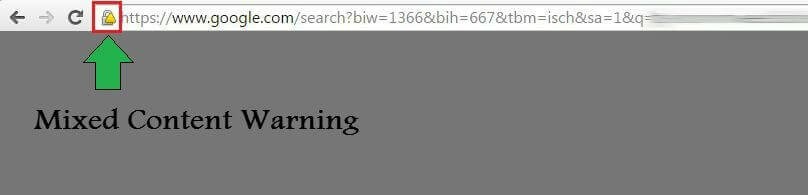
Recommended visual:
- “Wrong vs Right” comparison images.
Why this works:
- Negative examples are memorable and corrective.
- Encourages self-audit behavior (“Is my site doing this?”).
- Strong emotional trigger → higher retention.
Measuring Success & Continuous Improvement
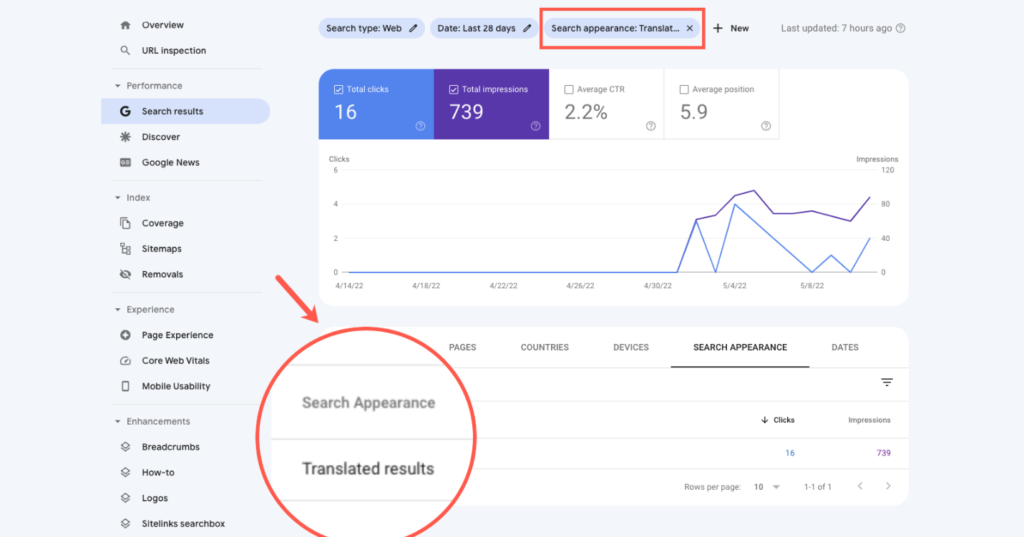
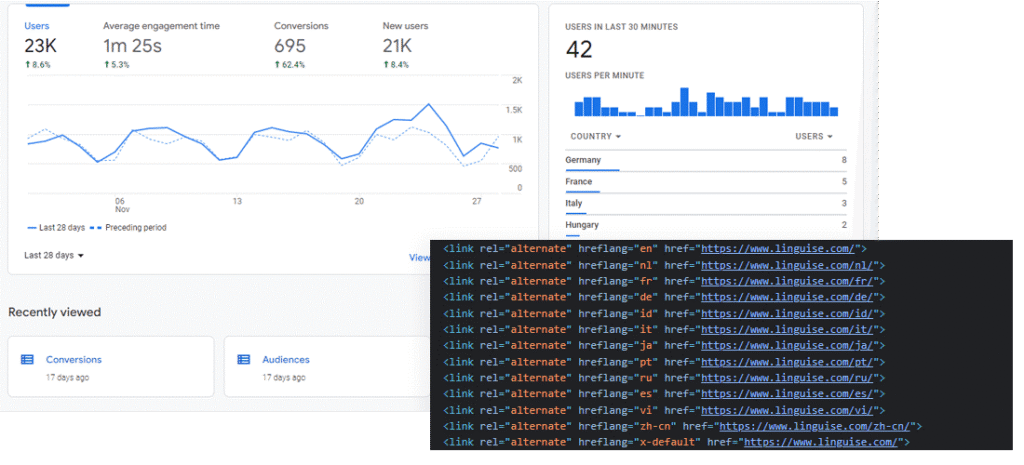
Recommended visual:
- Analytics dashboard screenshots (language-based metrics).
Why this works:
- Reinforces that multilingual strategy is measurable and accountable.
- Appeals to performance-focused executives.
- Prepares readers for ongoing optimization services.
Conclusion: Reinforce Authority & Action
Recommended visual:
- Trust-building brand imagery (professional, local, polished).
Why this works:
- Ends the article on a confidence signal, not just words.
- Reinforces brand positioning and credibility.
- Supports conversion-oriented CTAs below the fold.
Turn language into growth. Build a multilingual website that works in Oman. Contact us today.
Angle: Opinion / Market Insight
Why it works: Challenges a common assumption and sparks debate.
Development: Use data points from tourism, expat demographics, and commerce to argue for Urdu, Hindi, Malayalam, or Swahili micro-localization. End with a poll or comment prompt: Which language brought you the most leads?
Angle: Tactical How-To Guide
Why it works: Actionable, bookmark-worthy, high SEO value.
Development: Break into phases—strategy, UX, content, SEO, compliance. Include checklists, wireframe examples, and CTA placement differences by language.
Angle: Expert UX Analysis
Why it works: Direct, slightly provocative, value-driven.
Development: Compare RTL vs LTR layouts, font choices, color psychology in Oman. Encourage readers to submit their websites for critique.
Angle: Case Studies / Performance Marketing
Why it works: Decision-makers trust real results.
Development: Feature anonymized or real examples (hospitality, retail, healthcare). Show before/after metrics. Invite brands to volunteer for the next case study.
Angle: Advanced SEO
Why it works: High demand, low clarity topic.
Development: Cover hreflang for Arabic/English, Arabic keyword intent, local SERP behavior in Oman. End with a downloadable SEO checklist.
Angle: Audience Segmentation
Why it works: Broadens thinking beyond “translation.”
Development: Map personas (locals, expats, tourists, B2B). Add a matrix showing tone, language, and CTA style per segment.
Angle: Educational / Myth-Busting
Why it works: Pain-point driven, highly relatable.
Development: Use real examples of mistranslations or culturally off content. Ask readers to share the worst translation they’ve seen.
Angle: Industry-Specific
Why it works: Strong commercial intent.
Development: Cover product descriptions, checkout language, COD expectations, Arabic trust signals. Include UX screenshots and conversion tips.
Multilingual E-Commerce in Oman: What Actually Drives Trust and Sales
Angle: Industry-Specific
Why it works: Strong commercial intent.
Development: Cover product descriptions, checkout language, COD expectations, Arabic trust signals. Include UX screenshots and conversion tips.